
URA / Facebook
Pittsburgh, Pennsylvania
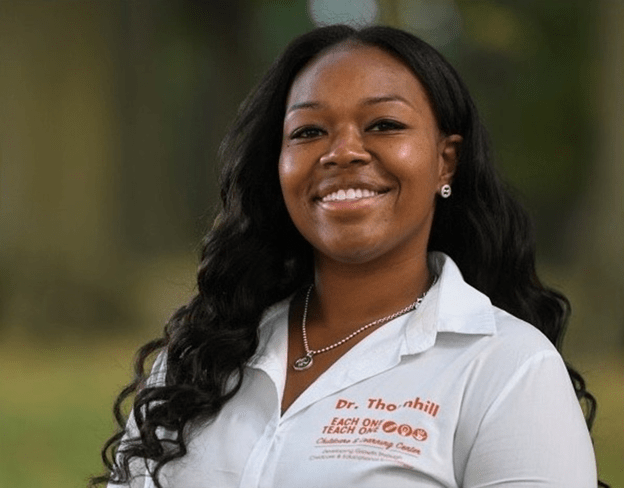
When Dominique Thornhill tried to open a childcare center in Pittsburgh, every bank she approached turned her down. She had ten years of teaching experience, a Ph.D. in education, and a detailed business plan, but traditional lenders told her to come back once she was “already established,” as she later told The Atlantic.
She got her break when she turned to Invest PGH, a Community Development Financial Institution (CDFI). CDFIs provide small, flexible loans to entrepreneurs who can’t qualify for traditional credit. Invest PGH approved a $20,000 microloan at 3% interest and a $25,000 non-repayment loan, giving her the capital to lease a space, buy equipment, and open Each One Teach One Childcare and Learning Center in late 2020. “That first loan made everything possible,” she said.
Five years later, Thornhill operates three childcare centers in Pittsburgh’s East End. She employs more than forty people and provides tutoring and enrichment programs for older children as well as round-the-clock childcare for the young ones. “My goal was to build the kind of hub our kids desperately need,” she told the Urban Redevelopment Authority.
Thornhill would probably be out of luck if she were setting out to launch her business today. The Trump administration professes to support CDFIs – Treasury Secretary Scott Bessent has referred to them as “a key component of President Trump’s commitment to supporting Main Street America in the pursuit of job growth, wealth creation, and prosperity.” In March 2025, however, Trump ordered federal agencies to slash “to the maximum extent” the fund that allows them to function. The result was to freeze roughly $324 million in congressionally-appropriated money for the program, leaving many community lenders unsure of how much longer they can keep offering loans like Thornhill’s.
The freeze weighs especially heavly on Black entrepreneurs. Since its creation in 1994, the CDFI Fund has pumped more than $8 billion into underserved communities, including at least $219 million supporting Black-owned banks and Black-led CDFIs— institutions that, in turn, finance thousands of Black-owned small businesses.
Thornhill hopes to keep expanding, but she worries that other entrepreneurs won’t have the same path open to them. “If CDFIs like Invest PGH hadn’t believed in me, I wouldn’t be here,” she said. “They give people support when banks won’t. Without that, a lot of dreams never get off the ground.”
Posted on November 21, 2025
 weareyourneighbors.net
Leave a comment