
Ventura County, California
Driving to work on the morning of July 11th, George Retes found himself facing a phalanx of federal immigration agents. ICE, under pressure to jack up its arrest numbers, had decided to raid a pair of Southern California cannabis farms, and a group of protesters was trying to block their way. Stepping out of his car, Retes tried to explain that he was a U.S. citizen employed as a security guard at one of the two farms. But the agents didn’t seem interested, he told a reporter for the Associated Press later. As they advanced toward him, he got back into his car and tried to back away. At that point, agents surrounded his car and “started yelling at me and getting hostile.” They wound up smashing one of his windows, opening the door, and pulling Retes out at gunpoint. Then he was teargassed and pepper-sprayed and pinned to the ground, “even though my hands were already behind my back.”
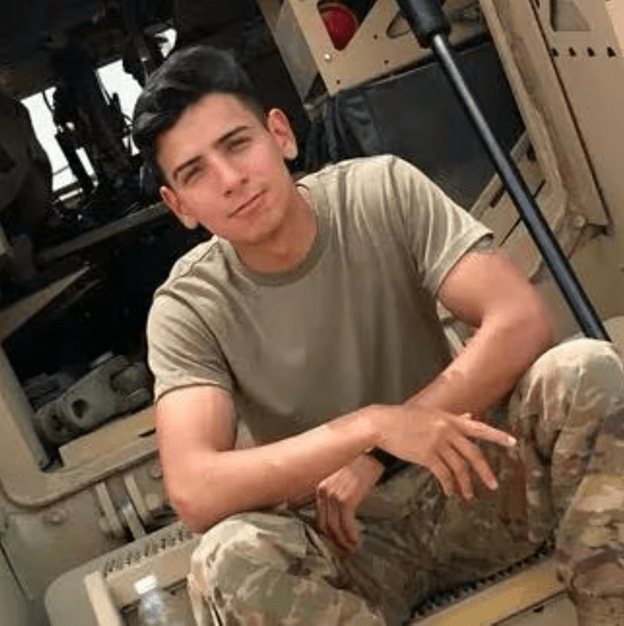
A native Californian and a married father of two, Retes had joined the army at 18, briefly serving in Iraq. Although he made a point of letting the ICE agents know he was a veteran, he told CNN reporter Laura Coates that he wasn’t seeking special consideration: “No one should be treated that way,” he said. “Their emotions got the best of them.”
Retes was taken to a downtown Los Angeles jail, and held there, by his account, with no explanation, no access to a lawyer, and no chance to make a phone call: “They didn’t even let me shower while I was covered in teargas and [pepper] spray and my body was burning.”
Retes’s incarceration coincided with his daughter’s third birthday. He and his wife had been planning a Minnie-Mouse-themed party, and during his time in jail he found himself dwelling on the thought of not being with her on that precious occasion. It was a “terrible feeling,” he told Coates. With no idea when or if he would be freed, Retes grew hysterical at one point, prompting jail officers to put him on suicide watch.
“I’m naked, in like a hospital dress and just a concrete bed with… like a thin mattress and, they leave the light on 24/7,” Retes recalled in an interview with Tim Miller of The Bulwark podcast. “There’s a glass door, and officers… sitting out there. The psychiatric nurse comes and checks on me once a day, and so from Friday morning to Sunday afternoon when I’m released, I’m literally In that cell, naked just in that room, with the light on… Like this is a nightmare.”
Three days later, they released him without charges. Coates asked him to sum up his feelings about the whole experience. “I still can’t wrap my head around it,” Retes said.
Since his release, Retes has retained a nonprofit law firm, the Institute for Justice, to sue the federal government for what the firm calls his “unconstitutional detention.”
“I’m continuing to fight for this country, now as a civilian,” Retes said.
Dated posted: October 15, 2025
 weareyourneighbors.net