
Atlanta, Georgia
Donald Trump has had a lot to say about the opioid crisis and America’s “drug overdose epidemic,” as he recently termed it. Since he regained the presidency, however, his administration has repeatedly moved to slash the budget and staff of the Centers for Disease Control and Prevention (CDC), one of the federal agencies directly engaged in efforts to combat overdoses.
Vaccine skeptics have led the way in attacking the CDC, which Health and Human Services (HHS) Secretary Robert F. Kennedy, Jr. has called a “cesspool of corruption.” But the staffing cuts have also taken a toll on agency units working to reduce overdoses and addiction.
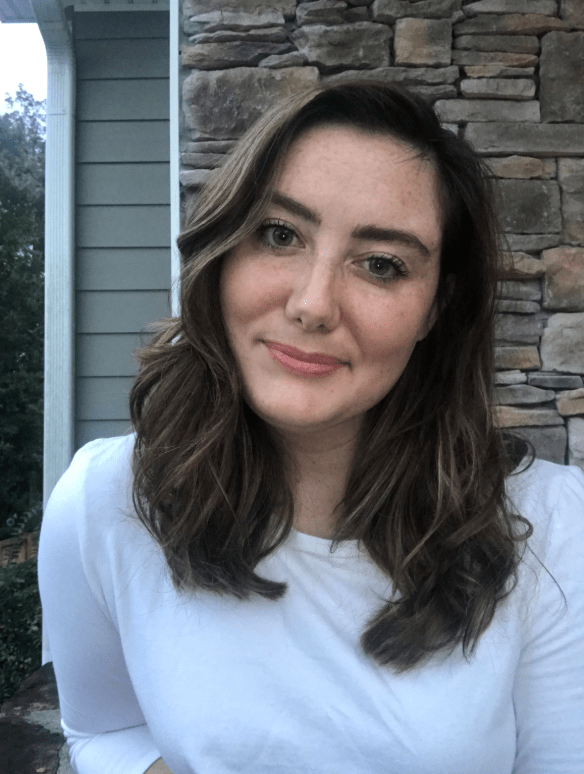
Abigail Tighe, a rural health and overdose prevention specialist, was one of more than a thousand CDC workers laid off in early 2025. Tighe had served in the Drug-Free Communities branch of the CDC, which brings local leaders, nonprofits, and government entities together to combat youth substance abuse. Over 750 of these community coalitions across the country receive funding from the program. That work “cannot be replaced,” Tighe told NBC affiliate 11 Alive. “We’re talking about lives saved… because of the work that all of the people at the CDC do.”
On August 8th, a gunman fired hundreds of rounds at six CDC buildings in Atlanta, murdering a police officer before killing himself. Tighe’s one-year-old son was in lockdown at a nearby daycare center during the shooting. “I’m so angry and annoyed and frustrated,” she told a reporter for The Atlanta Journal-Constitution. “I’ve been fired, I’ve been targeted, I’ve been villainized. And now they’re shooting at my kid’s day care.” She called it “dystopian” and “unreal” to be villainized for caring about public health and public service.
White House Director of the Office of Management and Budget, Russell Vought, one of the architects of Project 2025, has not been subtle about his desire to make career civil servants feel uneasy. “We want the bureaucrats to be traumatically affected,” Vought said in a private speech (a video was unearthed by ProPublica) before joining the second Trump administration. “When they wake up in the morning, we want them to not want to go to work because they are increasingly viewed as the villains… We want to put them in trauma.”
Mission accomplished – that’s how Tighe felt after the shooting. “They’re responsible for this,” she told the Journal-Constitution. “They have been sowing so much hatred for CDC, for civil servants, that it is not surprising that someone would be emboldened to attack the CDC.”
After losing her job, Tighe co-founded a network called Fired But Fighting, a group of current and former CDC professionals uniting “to demand public health as a vital government service.” In the wake of the August 8 attack, the group called on Vought and Kennedy to resign. (In a statement to ABC News, HHS dismissed the idea of a connection between “widely supported public health reforms” and “the violence of a suicidal mass shooter.” Kennedy, the statement said, was “standing firmly with CDC employees” to prioritize “their safety and well-being.” President Trump, for his part, offered no public comment on the shooting, although a White House spokesperson told ABC News that keeping government employees safe and secure “is the topmost priority of the Administration.”)
In October, the whiplash at the agency continued with 1,300 CDC employees fired on a Friday, and 700 of those terminations rescinded the next day, according to news reports. The administration says its cuts to government programs and jobs are intended to eliminate waste, fraud, and abuse. “If you want to make the government more efficient,” Tighe told 11 Alive, “you should speak to the people who work in the government because we know where the gaps are. We know where things can be more efficient. We know where the waste, fraud, and abuse is. But we weren’t asked.”
Posted on October 15, 2025
 weareyourneighbors.net