
Morehead, Kentucky
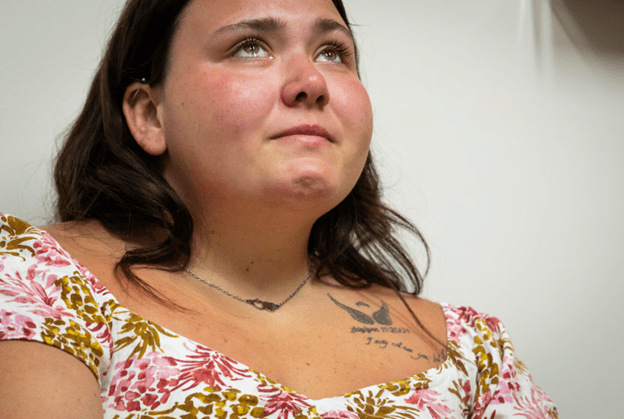
Jacalyn Stuff was 19 and in the first trimester of pregnancy when she learned she was carrying twins with a rare and dangerous complication: twin-to-twin transfusion syndrome. “It was terrifying,” she told the Washington Post. “They said one baby was getting all the nutrients and the other wasn’t.”
Her doctors at UK St. Claire Regional Medical Center had another piece of alarming news for her: their hospital, less than 10 minutes from Stuff’s home, was no longer equipped to provide the care she would need. Instead, she would have to travel 70 miles to Lexington or 100 miles to Cincinnati for what turned out to be frequent specialist visits and emergencies, some requiring costly overnight stays. “I was always on the road,” Stuff said. “If something happened in the middle of the night, I just had to hope we could make it in time.”
Medical care for complicated cases at small-town and rural hospitals has always been a challenge. Looming cutbacks in Medicaid will make care even more difficult – especially for pregnant women. Medicaid covers more than 40% of births nationally, and in rural areas it often supports entire maternity units. With nearly $1 trillion in cuts dictated by the Republican tax and spending law, many small hospitals are likely to shut down obstetric care altogether. Kentucky alone is projected to lose nearly $11 billion in Medicaid funding over the next decade. With 35 hospitals at risk of closure and only a dozen now still providing labor and delivery services, many more women could find themselves in Jacalyn Stuff’s predicament, facing long drives, added expenses, and the risk that care will come too late.
Only one of Stuff’s twins survived after weeks in neonatal intensive care. That child, her daughter Roselynn, was born prematurely and continues to deal with health complications requiring trips to Lexington. “Every appointment is a reminder,” Stuff said. “It’s not just hard—it’s exhausting, emotionally and financially.”
Posted on October 9, 2025
 weareyourneighbors.net