
Charlotte, North Carolina
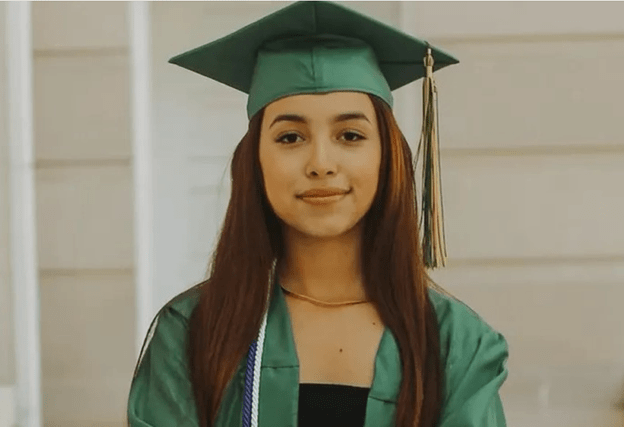
Federal agents weren’t looking for Allison Bustillo-Chinchilla when they burst into her apartment in February. The man they were after was a former tenant who had moved out. Rather than let the opportunity go to waste, however, they turned their attention to Bustillo-Chinchilla, a 20-year-old who had lived in North Carolina since age 8 and was on her way to becoming a nurse. Their inquiry expanded later to include her mother, Kelly, after she came home to help Bustillo-Chinchilla deal with the situation.
Nine hours of questioning and searching turned up no evidence of criminality. Nevertheless, Bustillo-Chinchilla was arrested and placed in a privately-run detention facility to await a hearing and potential deportation to Honduras, the country of her birth. Her mother was released to care for three younger children.
Bustillo-Chinchilla spent the next six months at the Stewart Detention Center outside of Columbus, Georgia. Long waits for hearings have become the norm, what with the Trump administration’s drive to rack up its arrest rate (Deputy Chief of Staff Stephen Miller has upped the goal to 3000 a week) without any comparable investment in the immigration courts. Those practices have, in turn, been very good for the bottom lines of companies like CoreCivic, which runs the Stewart center. “Our business is perfectly aligned with the demands of this moment,” CEO Damon Hininger observed during an August call with Wall Street analysts.
Bustillo-Chinchilla formed a less upbeat view of CoreCivic’s operations. In a recent interview with the Columbus Ledger-Enquirer, she spoke of “really cold, horrible jail food,” a bathroom that was “very dirty and unsanitary,” and relentless yelling and metallic banging by guards. She also described a series of her own mounting health problems, including panic attacks, dangerously low blood pressure, and lack of care for her chronic scoliosis.
Her mother kept in touch through periodic video calls in which she heard and saw things that, as Kelly Bustillo-Chinchilla told a reporter for Enlace Latino NC, filled her with the fear that her daughter “won’t make it.”
The family retained an immigration lawyer, Martin Rosenbluth, and he cited Bustillo-Chinchilla’s health and stellar academic record in a series of efforts to secure her release. (An honors student in high school and again at a local community college, Bustillo-Chinchilla had recently received a $60,000 scholarship offer from Gardner-Webb University.) But his appeals were rejected. These days, Rosenbuth told the Ledger-Enquirer, nobody who enters the country without permission – “even if they’ve been here 20 years and have a family, job, are homeowners and pay taxes” – can get out on bond. The administration, he added, has “no incentive to do anything at all about the deplorable conditions because it’s part and parcel of their strategy to get people to leave on their own and give up.”
Bustillo-Chinchilla did just that in the end, withdrawing her asylum petition and requesting permission to self-deport. On September 15th, she arrived in Honduras and went to live with her maternal grandparents. “It felt like I could breathe again,” she said in a telephone interview with Brittany McGee of the Ledger-Enquirer.
Her mother has applied for a green card and hopes to remain in the U.S. If Allison Bustillo-Chinchilla had been deported, she would have faced a mandatory ten-year ban on re-entering the U.S. By leaving voluntarily, she has preserved her ability, at least in theory, to someday be reunited with her family in the country she grew up regarding as her own.
Posted on September 22, 2025
 weareyourneighbors.net