
Jefferson, Georgia
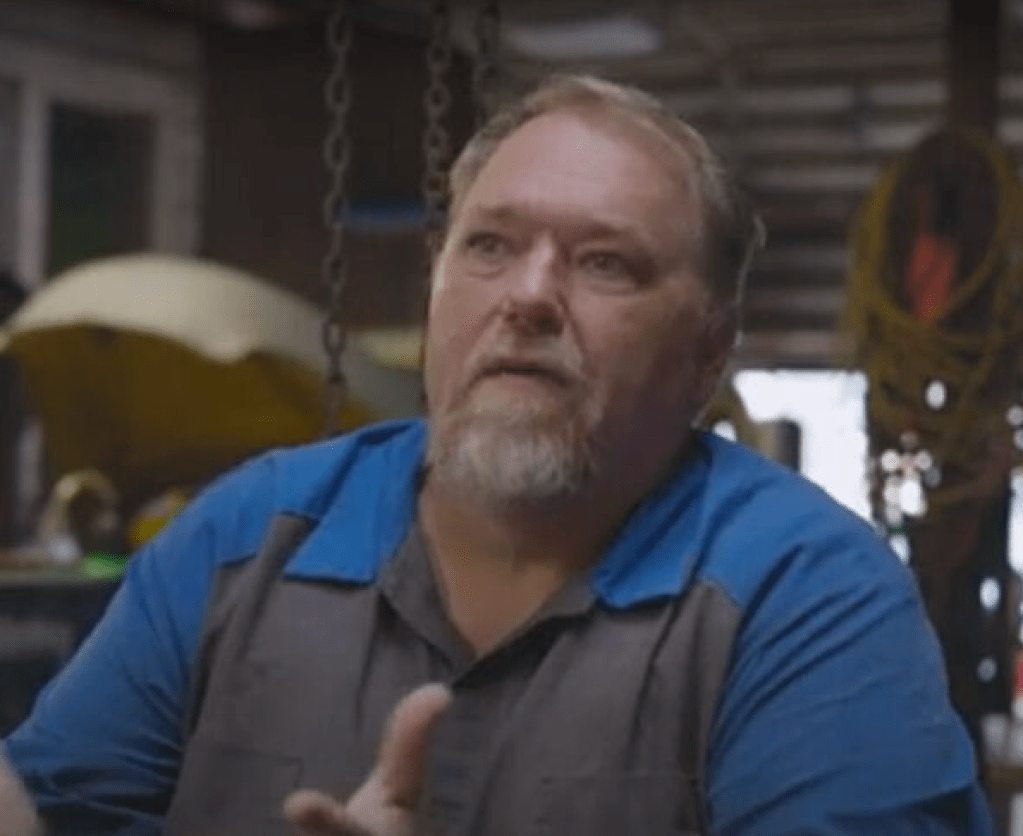
If the Trump administration gets its way, Medicaid benefits will soon have a national work requirement attached. Luke Seaborn could tell you how that’s likely to play out for many of the 78 million Americans who depend on Medicaid. His home state of Georgia has had a work-linked version of the program, known as Pathways, since 2023. Seaborn, who runs a repair shop for classic automobiles in the city of Jefferson, 60 miles northeast of Atlanta, was one of Pathways’ first enrollees – and a very grateful enrollee after his insurer covered a back procedure for him.
That experience prompted Sanborn to send an appreciative letter to the company’s CEO. One thing then led to another, and before long he was starring in a three-minute testimonial film unveiled by Georgia’s Governor, Brian Kemp, in the summer of 2024. In the film – largely shot inside Seaborn’s garage – he described Pathways as “a great program that offers health insurance to low-income professionals like myself.”
Since that interview, however, Seaborn has had a marked change of heart as a result of having his benefits unexpectedly cancelled – twice. The first time, it was because he had failed to complete a new form added to the monthly work-verification process without his knowledge. Taking advantage of his status as the program’s unofficial poster boy, Sanborn contacted the insurance executive, who reached out to the Governor’s office. A day later, his coverage had been restored.
In early March of 2025, however, Seaborn got tripped up by another surprise requirement. Logging into the Pathways website to verify his continued coverage, he found a notice telling him that his benefits were about to be terminated, because he had failed to submit a statement of his annual income for the previous year. This time, he was unable to avert the cancellation, despite calls to the insurance company and the Georgia Division of Family and Children Services, and Seaborn wound up paying an extra $40 for his son’s prescription medicines – money that was hard for him to afford, he said.
His coverage did get restored eventually, but only after two news outlets made inquiries in the course of reporting on chronic problems with the Georgia program. It turned out that only about 6,500 people – three percent of the state’s eligible residents – had actually enrolled in Pathways, and many of them had been defeated by procedural hurdles. “You go from one robot voice to another,” one unsuccessful applicant told ProPublica, which published a series of articles on what it characterized as Pathways’ chronic problems.
“I used to think of Pathways as a blessing,” Seaborn told reporters for ProPublica and The Current. “Now, I’m done with it.”
While Governor Kemp has continued to hail the program as a breakthrough, ProPublica determined that nearly $87 million – more than three quarters of its cost to federal and state taxpayers – had gone to consultants rather than beneficiaries. One consulting firm, Deloitte, collected more than $51 million for a set of services that included producing the 2024 testimonial film in which Luke Seaborn appeared.
Date Posted: 5/22/25
 weareyourneighbors.net